Preparation Is Everything: What a French Kitchen Taught Me at 19
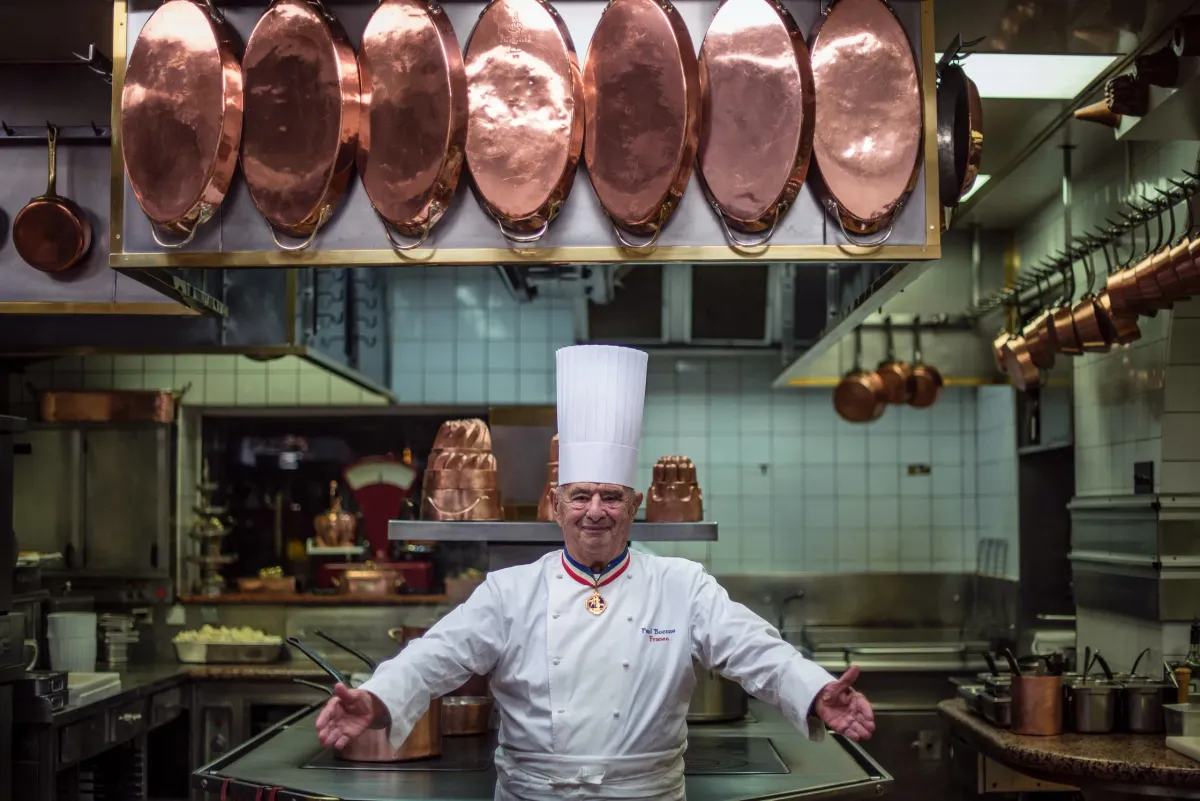
I was nineteen, an intern in a French restaurant, and I thought I knew what "prepared" meant. I owned a planner. I showed up on time. I was, as far as I was concerned, a professional.
Then someone said the words mise en place to me, and I quietly understood that I knew nothing.
For the uninitiated, mise en place (French for "everything in its place") is the idea that before you cook a single thing, you get every ingredient, every tool, every pot and pan exactly where it needs to be. It sounds simple. It is not simple. It is a discipline, a mindset, and honestly, a bit of a personality transplant if you let it be.
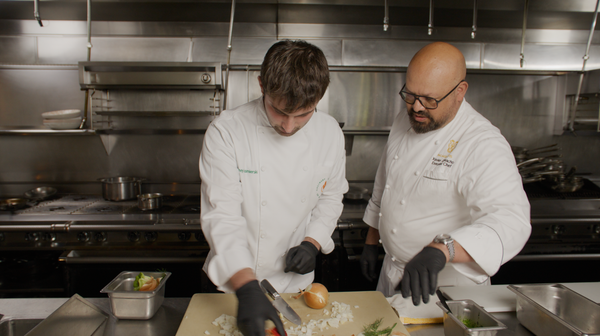
That first lesson became the operating system for everything I did that day: a list of what needed to happen, ingredients gathered and staged, tools laid out like a surgeon's tray, and a very clear sense of where I'd be standing when the chaos started. That was step one. Only step one. And it had to happen before I was allowed to so much as look at a stove with intent.
Ten projects, one clock: As the internship went on, I learned to juggle (not metaphorically, actually juggle). At any given moment I might have ten or fifteen projects running at once, all racing toward the same deadline: service. The trick I picked up was to always start with whatever took the longest, then weave the shorter tasks in around it. Miss that order, and you'd find yourself sprinting at 6:45 trying to reduce a stock that needed three hours and had gotten thirty minutes.
That's mise en place in motion: not just setup, but sequencing. Knowing what to start first so that everything else has room to breathe.
The Thirty Minute Pause: Here's the part I still do, decades later: after everything was prepped, every station clean, every project finished and squared away, I gave myself thirty quiet minutes before service began. That pause was where I put on my game face. Not because I needed the rest, but because the calm before service is earned, not accidental. It's the dividend that preparation pays out.
And it showed. The dishes that came out of that kitchen (what was cooked, when it was cooked, how it landed in front of a guest) all moved smoothly, because the hard thinking had already happened hours earlier. Service isn't when you figure things out. Service is when you execute what you already figured out.
From the Line to Everywhere Else: I don't run a single kitchen anymore. I run teams, projects, course builds, and relationships with clients, a philosophy that depends on a dozen moving parts landing in the right place at the right time. But the muscle is the same one I built at nineteen: make the list, know what matters most, put everything in its place before you start.
I still do it every single day, for business, for the people I work with, even for my own hobbies, because apparently I can't start my day without a plan anymore. That's what happens when mise en place gets into your bones.
Preparation is everything. I learned it standing at a prep station in a French kitchen, and I've never once needed to unlearn it.