A Superhero Chef’s Compassion is His Greatest Strength
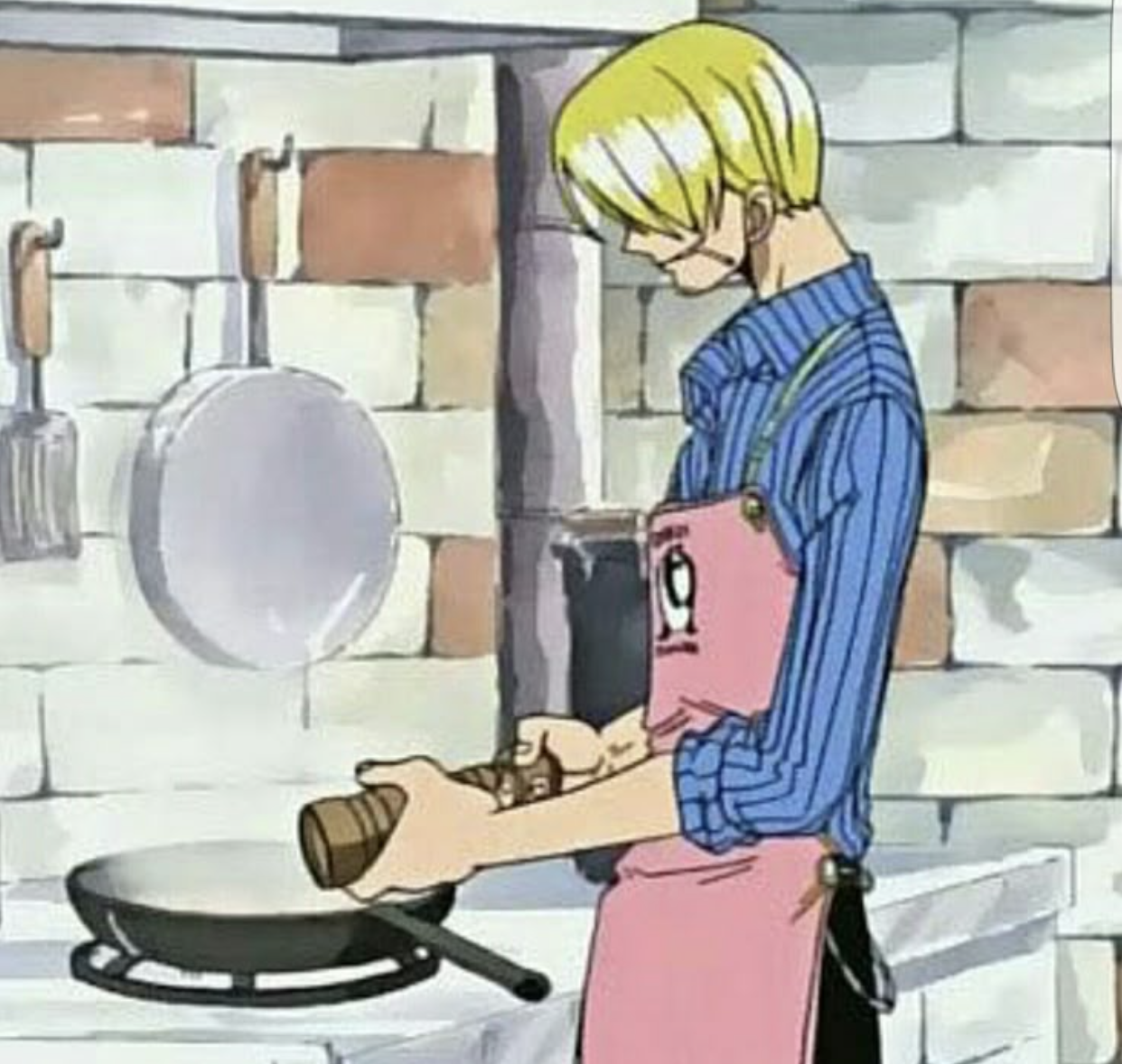
I was completely surprised later in my life to be so enthralled in a comic book series. It literally came out of nowhere: my wife and I were watching a new show on Netflix when we landed on a live-action version of a manga comic about pirates. Apparently it had been around for over 25 years and is the longest-running series in its respective medium - One Piece. The story follows a young pirate, Monkey D. Luffy, as he and his crew sail an ocean world in search of a legendary ultimate treasure to become the King of the Pirates. Right away, one of the key characters I was drawn to was Sanji - the ship’s cook, who gave up riches and wealth to find his own way and to serve with compassion and mastery.
Sanji’s approach to cooking shows that true culinary skill goes far beyond basic mechanics, creating a vivid bridge between pop-culture fantasy and real-world kitchen discipline.
When people talk about a chef's greatest strength, the conversation usually turns to technical mastery. Precision knife skills, sauce emulsions, exact thermal management, and rapid execution under pressure are the core building blocks every culinary student strives to master through comprehensive training programs like Rouxbe. Yet beyond the mechanics of the kitchen lies a deeper truth that separates someone who simply prepares food from a true master of the craft.
To understand this distinction, we can look to an unexpected source of inspiration in a legendary fictional ship cook named Sanji, from the global narrative One Piece. You do not need to know anything about graphic novels or animated sagas to appreciate his philosophy, because Sanji is written as the gold standard of what it means to hold a kitchen to the highest professional and ethical ideals, offering lessons that flow directly into the modern culinary world.
That excellence begins with how a cook views the prep table, because for Sanji, minimizing food waste is far more than a clever way to keep food costs down. Having survived extreme food scarcity earlier in his life, he treats every ingredient with deep reverence, ensuring discarded scraps, extra vegetable trims, and lesser cuts of meat are never tossed into the trash. They are transformed into rich broths, stocks, and secondary meals that respect the effort it took to harvest them. Adopting this zero waste mindset changes how you view your entire station, turning simple scraps into opportunity as you learn to respect the ingredient from root to stem and bone to broth.
That respect naturally extends into how food functions inside the human body, which becomes critical when you are responsible for feeding people navigating harsh journeys where exhaustion is a constant threat. Sanji plans menus with deliberate mathematical precision to ensure proper vitamin balance and caloric intake, understanding how ingredients interact to prevent illness, restore stamina, and keep a diverse crew operating at peak physical performance. Whether you are cooking in a restaurant, managing a corporate facility, or preparing meals for military personnel operating in challenging environments, understanding nutrition turns culinary art into life-sustaining science.
Yet all that technical and nutritional knowledge means little without an uncompromising ethical code, best demonstrated by Sanji's absolute refusal to deny food to anyone who is starving. It does not matter if the person standing outside his kitchen door is a stranger, a rival, or an outright enemy, because if that person is hungry, he feeds them without hesitation or judgment. To a true professional, the act of cooking is elevated above politics and conflict, serving as a constant reminder that feeding people carries immense dignity regardless of circumstance.
This deep compassion ultimately becomes a cook's true strength, proving that the heart behind the plate is just as important as the hand holding the knife. When faced with high stakes and immense pressure, Sanji relies on his culinary mastery and empathy to bring people together, using food to resolve conflicts and sustain lives where brute force fails. His journey demonstrates that a chef's humanity, nurtured through the compassionate act of feeding others, creates an enduring resilience that raw technical talent alone can never match.
It is easy to view kitchen work as a cold assembly line of tasks, but the care, empathy, and passion you pour into your dishes are your greatest assets. Technical skill gives you control, but your humanity gives your craft meaning. As you build your skills, practice your techniques, and earn your credentials, remember that being a chef is about treating your ingredients with respect, nourishing human bodies, and maintaining empathy for everyone who sits at your table. When you master both the technical skills and the heart behind the knife, you become completely unstoppable in any kitchen you step into.